
Here’s how counterfeiters made millions of dollars
Four men forged eight million dollars worth of counterfeit bills. This is one of the biggest cases of the last thirty years.
According to investigators, the counterfeiters acted with “high professionalism,” strictly separating their roles and pursuing a common goal: to produce and circulate counterfeit currency worth at least five million US dollars as perfectly as possible from a discreet warehouse in Urdorf (ZH) . However, a routine check by the Zurich cantonal police, searching for illegal cannabis, ultimately unmasked Enis S., 49, and Loris G. (pseudonyms), 72, in November 2022.
More than sixteen months later, the Office of the Attorney General of Switzerland (OAG), responsible for counterfeiting cases, has indicted the two Swiss men before the Federal Criminal Court. A press release and two enforceable penal orders against accomplices reveal, for the first time, details about the establishment of this counterfeiting workshop in the quiet town of Urdorf.
500,000 francs in “criminal’s salary”
According to these documents, Enis S. from Aargau and Loris G. from Thurgau allegedly began working on their illegal project in mid-November 2021. One provided the money, the other the expertise. Investigators are convinced of this. There was also reportedly an agreement: the retiree Loris G. was to receive at least half a million Swiss francs laundered as “criminal’s salary” for his technical skills, according to the Office of the Attorney General of Switzerland. The financier Enis S. was to have access to the remaining proceeds from the counterfeit currency production.
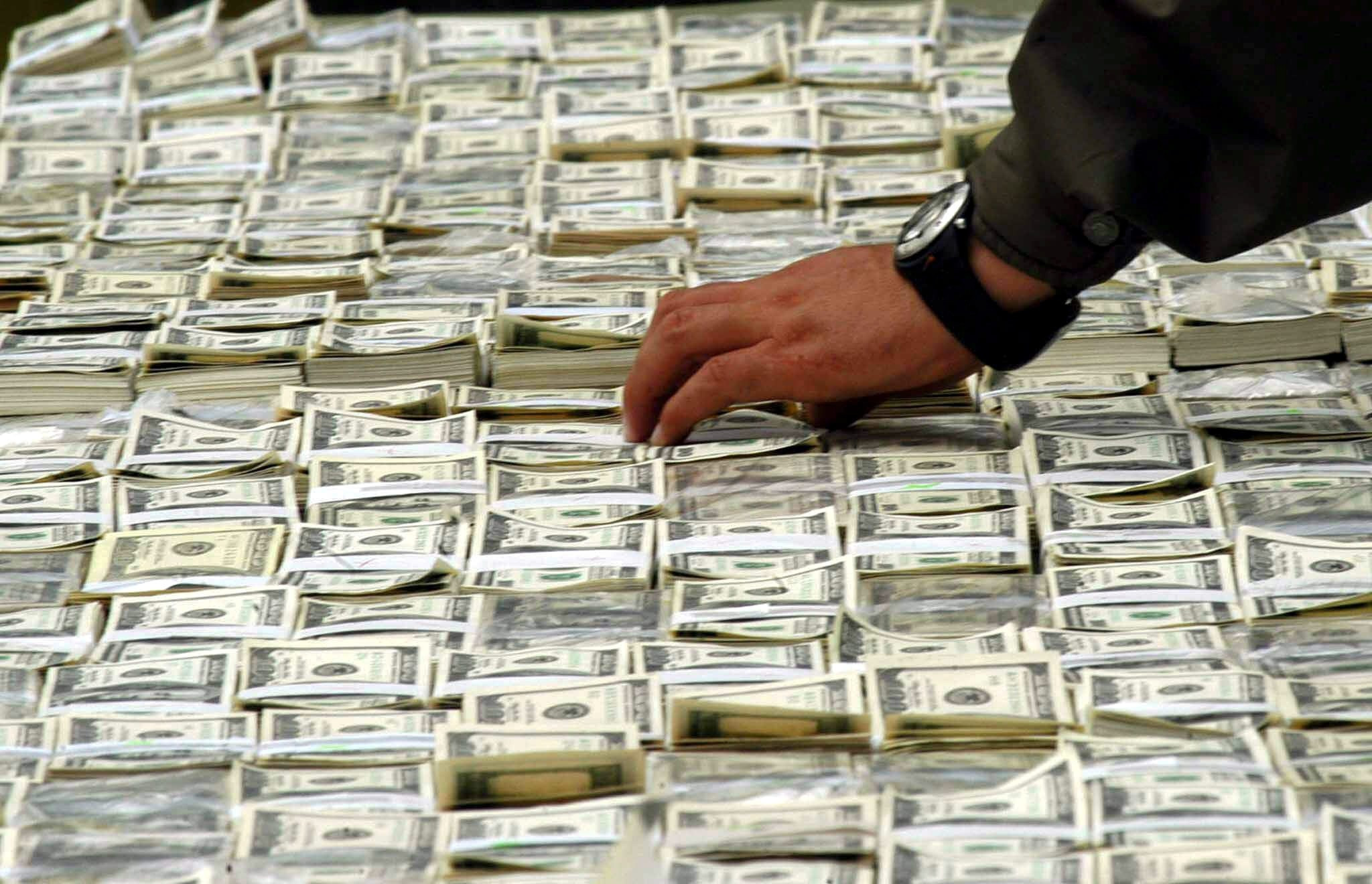
According to our investigation, the 49-year-old man operated a garage in Spreitenbach (AG), which he expanded in 2015 into a legal CBD production facility in the Aargau municipality and, later, to another site in Urdorf. According to the Office of the Attorney General of Switzerland, he invested at least 132,000 Swiss francs in setting up the counterfeit currency workshop. He was also the man in his forties who was supposed to put the counterfeit US dollars into circulation.
Printing on a machine several decades old
According to the indictment, Loris G. trained as a typesetter and offset printer. As the 72-year-old told several acquaintances, he learned his trade at a renowned high-security printing company that also prints banknotes. When questioned, the company stated that Loris G. was not an active employee.
According to the MPC, the retiree was responsible for ordering the printing machines and materials needed to produce counterfeit $50 bills on a large scale. He reportedly chose the world’s reserve currency because, according to estimates, approximately 130 million counterfeit US dollars are in circulation, making the forgeries less noticeable. For the manufacturing process, Loris G. selected a decades-old Heidelberg offset printing press.
The counterfeiters’ shopping list
From March 2022, he received help from a first assistant, who drove him to different locations for at least five days and accompanied him on his shopping trips. He also helped him produce microfilms and cut out printing sheets.
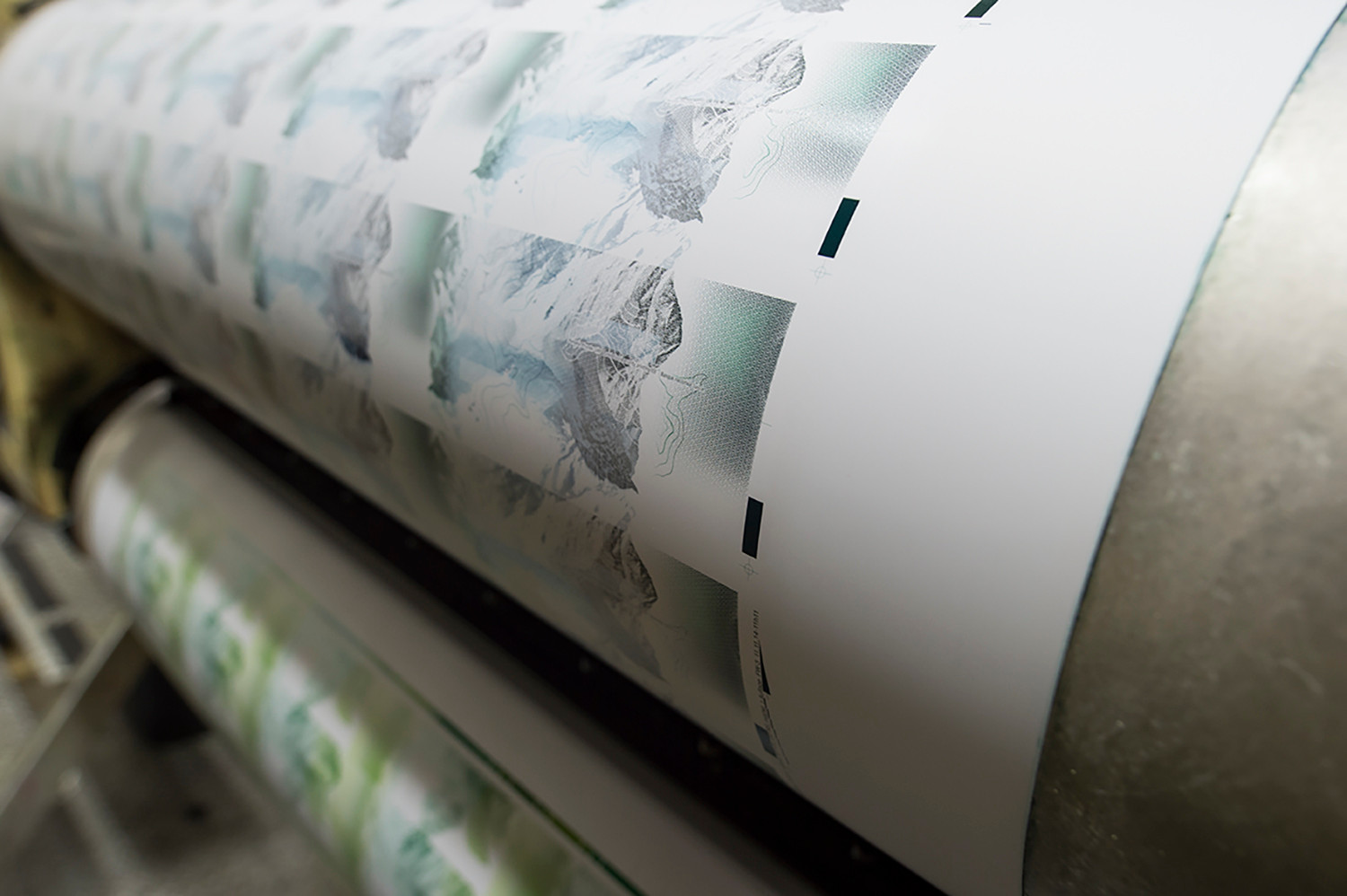
The counterfeiters’ shopping list included a series of special substances that were to be tested first, including thickeners, titanium dioxide, and champagne chalk.
Thickeners increase the viscosity of colors. Champagne chalk is whiter than traditional chalk and is used for printing primers. Titanium dioxide, on the other hand, is a white pigment that provides more brightness and brilliance, but it has been banned in Switzerland as a food additive since autumn 2022 due to its potential harmful effects on genetic material.
Suspended fine
The accomplice apparently didn’t handle things well. In the penal order that has now entered into force, the Office of the Attorney General of Switzerland states that he did not terminate the collaboration on his own initiative. Rather, it was Loris G. and Enis S. who reportedly no longer wished to use his services after only one month.
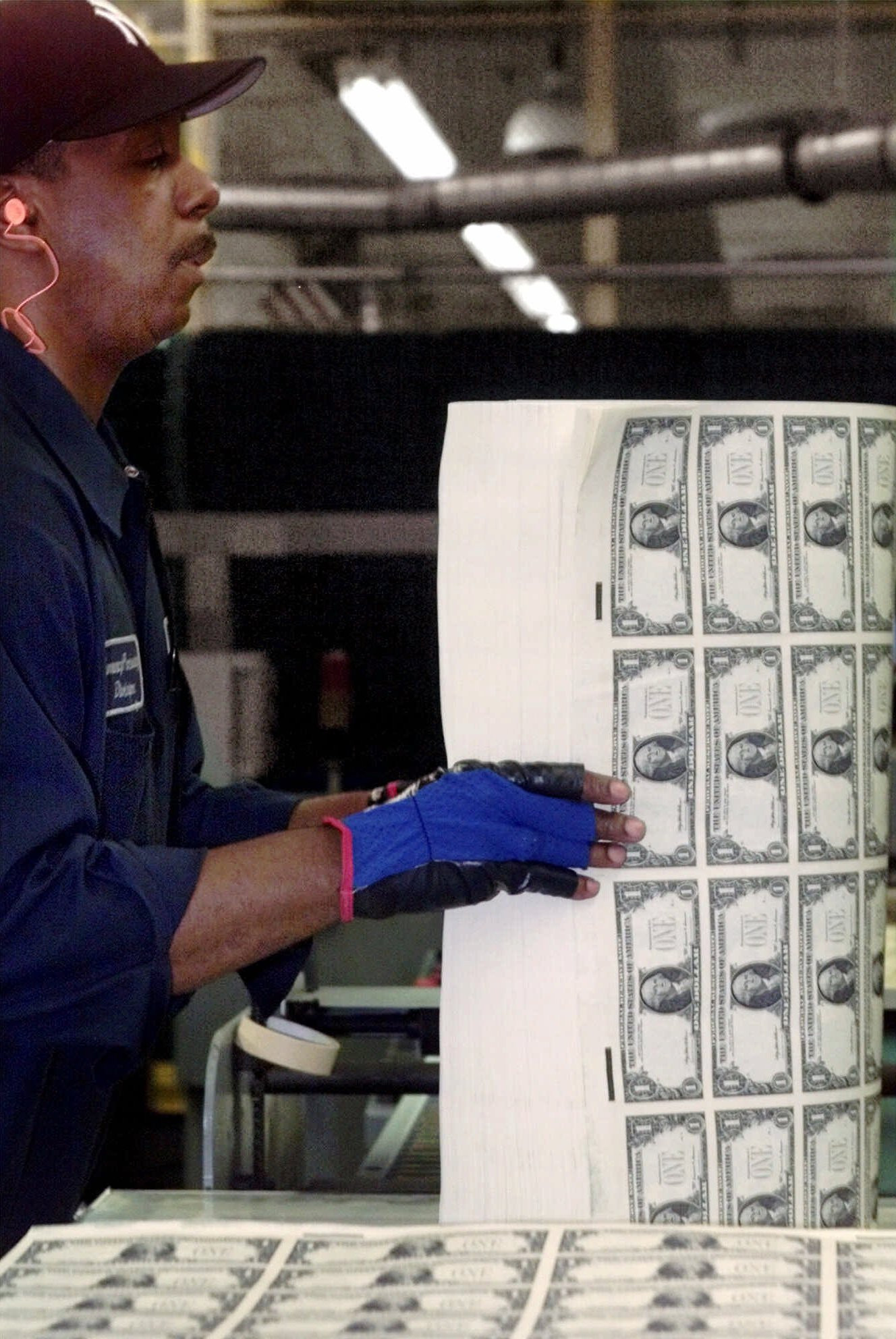
This circumstance resulted in the assistant receiving a slightly lower fine of 90 day-fines at 90 francs each for complicity in attempted counterfeiting. He will only have to pay the full 8,100 francs if he reoffends during the two-year probationary period.
Printing plates, mounting film and pad printing machine
A second accomplice assisted the counterfeiters from mid-March until their arrest in mid-November 2022. He retrieved packages of printing plates and mounting sheets, backed up and erased electronic data for the counterfeiting operation, and, along with Loris G., paid for the transport of a photogravure machine at the end of June 2022. This machine is used, among other things, to print engravings as a so-called security feature on banknotes.
The second assistant had to give his name upon delivery of the special machine and be available as a driver for at least ten days. For complicity in attempted counterfeiting, he received a fine of 150 day-fines at 90 francs each. His sentence of 13,500 francs is also conditional.
Caught red-handed during a search of his home
According to the Office of the Attorney General of Switzerland, the counterfeiters were continually improving the various stages of the printing process and had almost achieved their goal. They were unmasked—before they could flood Switzerland with highly professional counterfeit US dollars—thanks to a chance discovery during one of the regular routine inspections of the CBD factory. Enis S. was also cultivating illegal marijuana on a large scale in Urdorf.
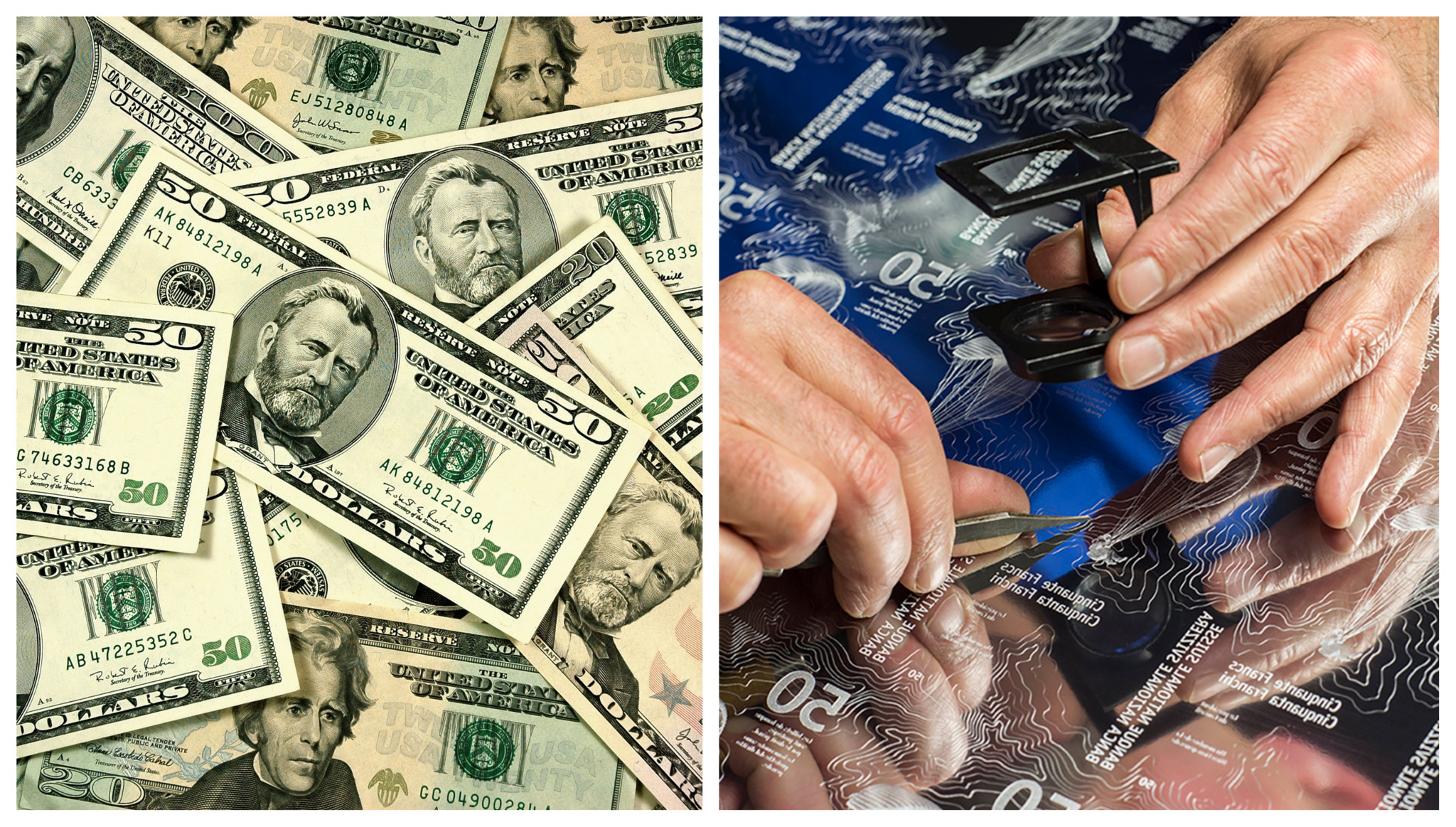
Evidence led police to conduct several searches, including at the two men’s apartments in Aargau and Thurgau, as well as at their warehouse in Urdorf. There, officers seized not only 256 kilograms of marijuana, 40 kilograms of cannabis resin and extract, and several thousand seeds of high-THC cannabis plants, but they also caught Loris G. and Enis S. red-handed while they were in the process of printing the final dollar bills.
Police discovered semi-finished goods with a face value of eight million US dollars. The MPC stated that this was one of the largest counterfeit currency cases in the last thirty years.
Counterfeit money, drugs and weapons offenses
The counterfeiters were temporarily held in pretrial detention, from which they have since been released. Loris G. has been serving his sentence early since December 2022.
If convicted by the Federal Criminal Court in Bellinzona, the defendants face several years in prison for setting up and operating a counterfeit currency workshop. Enis S. will also have to answer for his actions under the Narcotics Act and the Weapons Act, as he allegedly produced marijuana on a large scale and possessed illegal brass knuckles. The trial is expected to begin in the coming months.
Leave a Reply